Learn Automatic Car Driving
About Us
How to Drive Automatic Car
Our dedicated team is available 24/7 to assist you promptly and efficiently.
Contact Us
Working Hours
Explore More Driving Courses
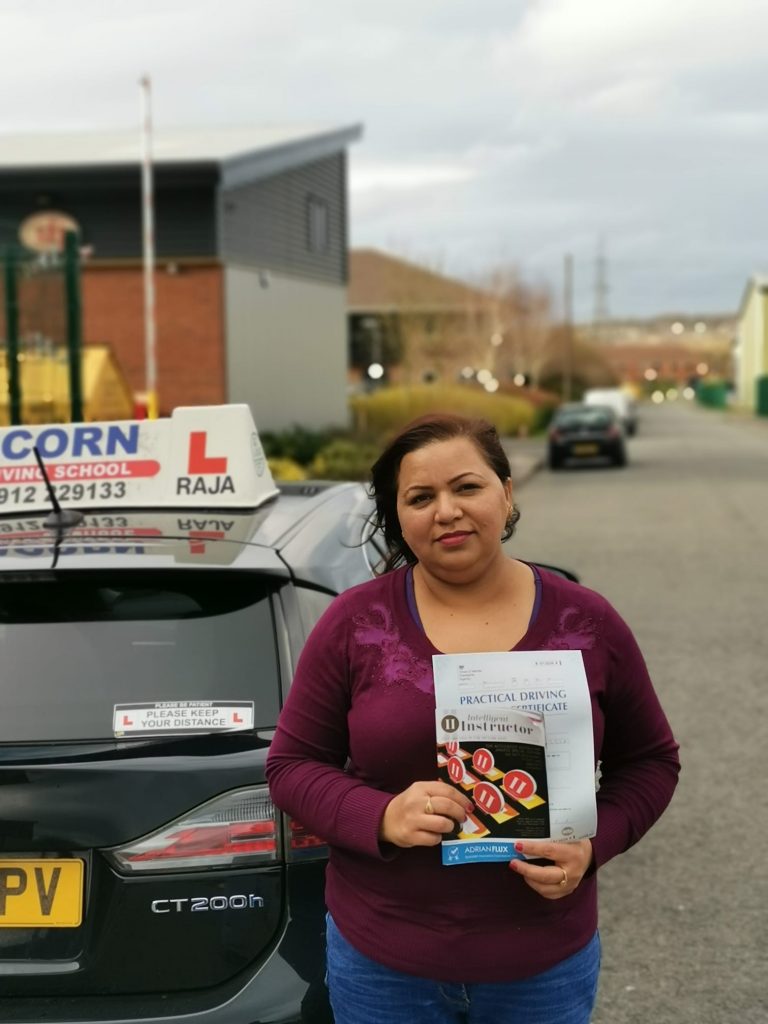
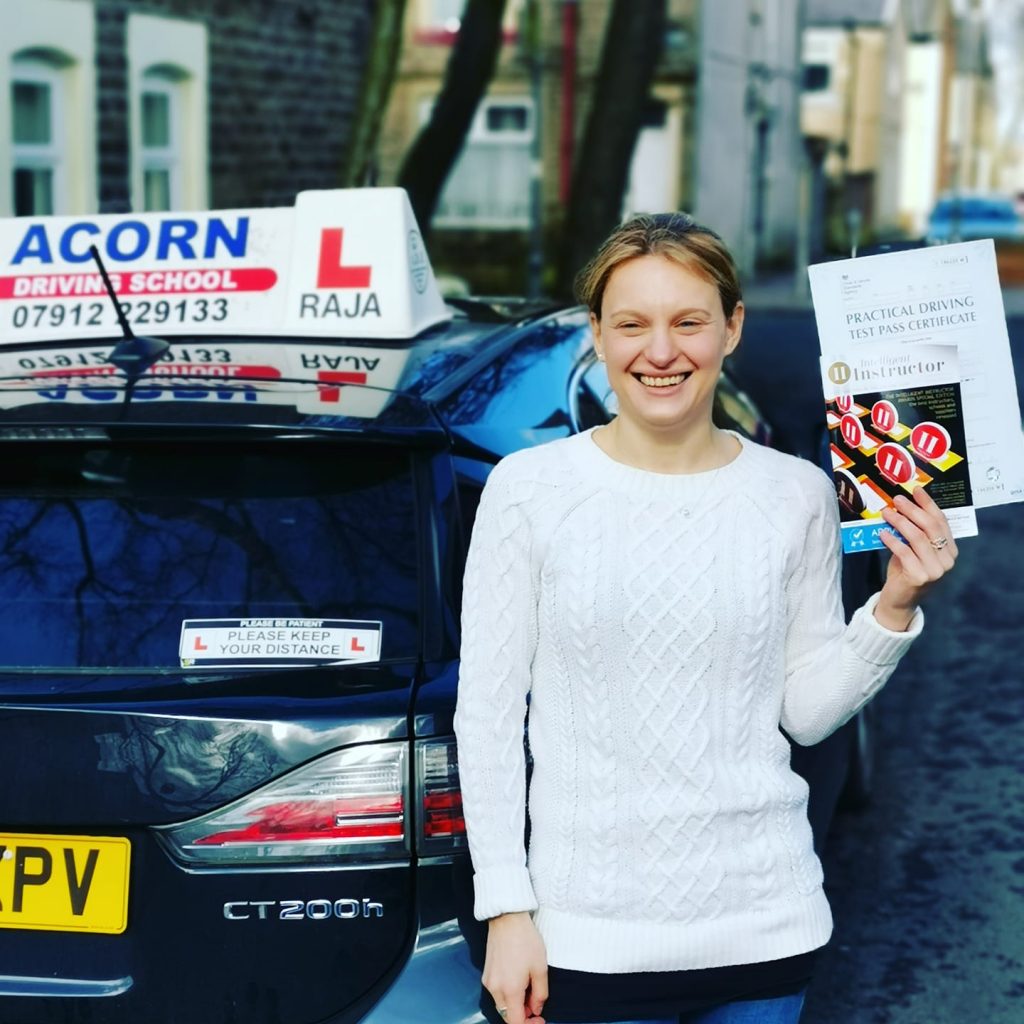
Passers Gallery
Join Our Team
We are growing and looking for both automatic and manual driving instructors to join our team. If you are DVSA-approved and passionate about helping others learn to drive safely, we’d love to hear from you. Our driving school is known for providing friendly, reliable, and high-quality lessons that’s why more learners trust us every day. Come be part of a team that values your skills and supports your success.
How to Drive Automatic Car
Driving an automatic car is often easier and more comfortable than driving a manual vehicle. With no clutch pedal and no need to change gears manually, automatic cars are ideal for beginners or anyone looking for a smoother driving experience. This article will guide you step by step on how to drive an automatic car confidently and safely.
Understanding the Gear Selector
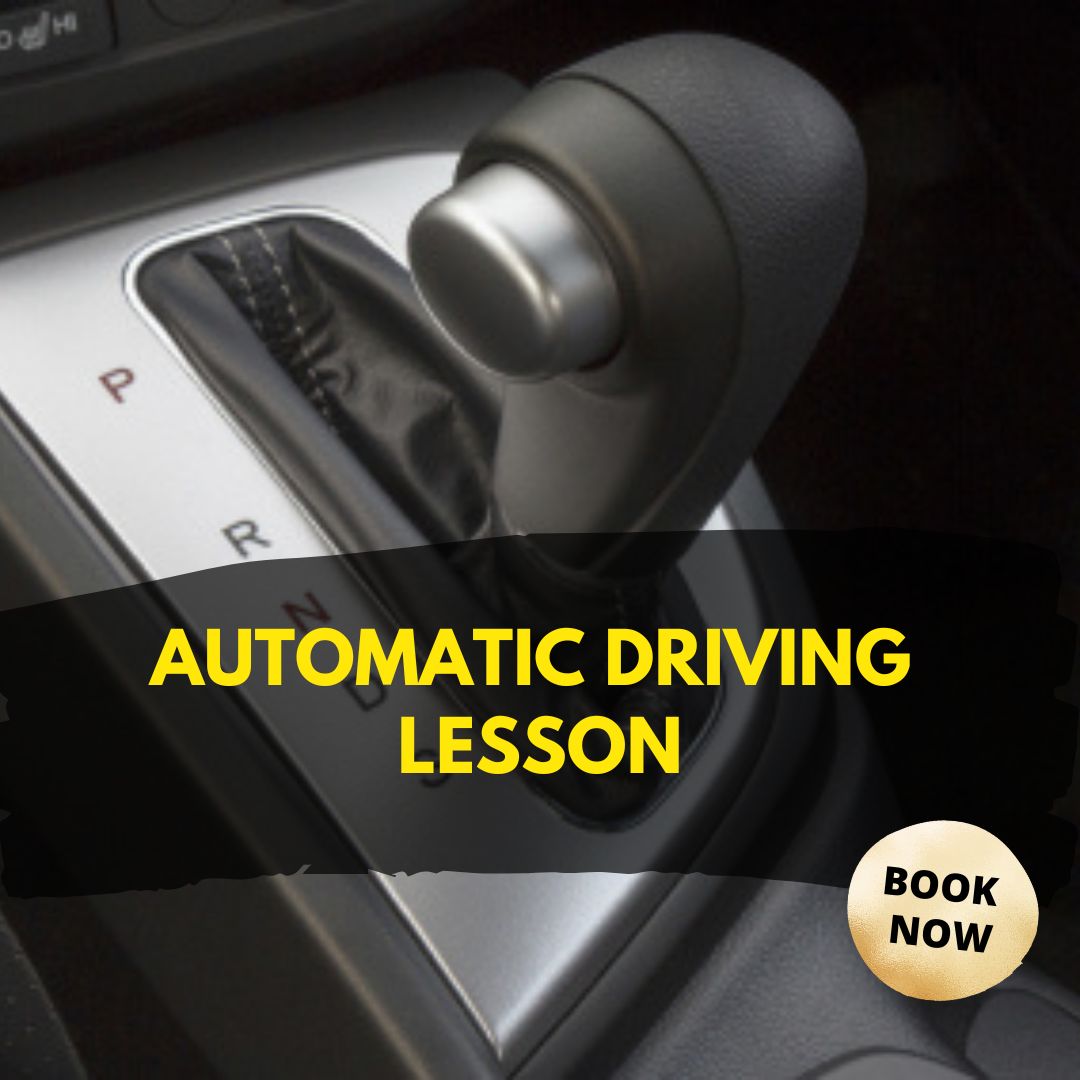
In an automatic car, you’ll find a gear selector with the following common options:
P (Park) – Used when the car is stationary and you’re turning off the engine.
R (Reverse) – For moving the car backward.
N (Neutral) – Disengages the engine from the wheels; like idle.
D (Drive) – Used for normal forward driving.
Some cars also have L (Low gear) or S (Sport) for extra control on hills or quick acceleration.
Starting the Engine
To start an automatic car, ensure the gear selector is in P (Park) and press the brake pedal. Then, start the engine using the ignition key or push button. Most modern cars require the brake pedal to be pressed before the engine will start or allow shifting out of “Park.”
Moving Off Smoothly
Once the engine is running, keep your foot on the brake pedal and shift the gear from P to D (Drive). Then, gently release the brake and slowly press the accelerator. The car will begin to move forward on its own without the need for gear changes. Always check your mirrors and blind spots before moving off.
Using the Brake and Accelerator
In an automatic car, you only use your right foot to control both the accelerator and brake pedals. Your left foot should remain unused. Press the accelerator to speed up and press the brake to slow down or stop. The car will automatically shift through gears based on your speed and acceleration.
Parking the Car
When you reach your destination, bring the car to a complete stop using the brake pedal. Shift the gear lever from D to P (Park), and then turn off the engine. If you’re parking on a slope, it’s good practice to also engage the handbrake (parking brake) for extra safety.
Tips for First-Time Automatic Drivers
Practice in a quiet area like an empty parking lot before heading into traffic.
Avoid sudden acceleration or braking; keep all movements smooth and controlled.
Keep both hands on the steering wheel and your eyes on the road.
Stay calm and confident—automatic cars are designed to be beginner-friendly.
Learn to Drive with Expert Female Instructors
Embark on a Journey of Confidence and Independence with Our Expert Female Instructors. Drive Your Dreams, Enroll Today!