Manual Driving Lessons
About Us
How to Drive a Manual Car
Our dedicated team is available 24/7 to assist you promptly and efficiently.
Contact Us
Working Hours
Explore More Driving Courses
Passers Gallery
Join Our Team
We are growing and looking for both automatic and manual driving instructors to join our team. If you are DVSA-approved and passionate about helping others learn to drive safely, we’d love to hear from you. Our driving school is known for providing friendly, reliable, and high-quality lessons that’s why more learners trust us every day. Come be part of a team that values your skills and supports your success.
How to Drive a Manual Car
Driving a manual car gives you more control over the vehicle and can be a rewarding experience for those who enjoy driving. While it may seem complicated at first, learning to drive a manual transmission becomes easier with practice. This guide will walk you through the essential steps to confidently drive a manual car.
Understanding the Basic Controls
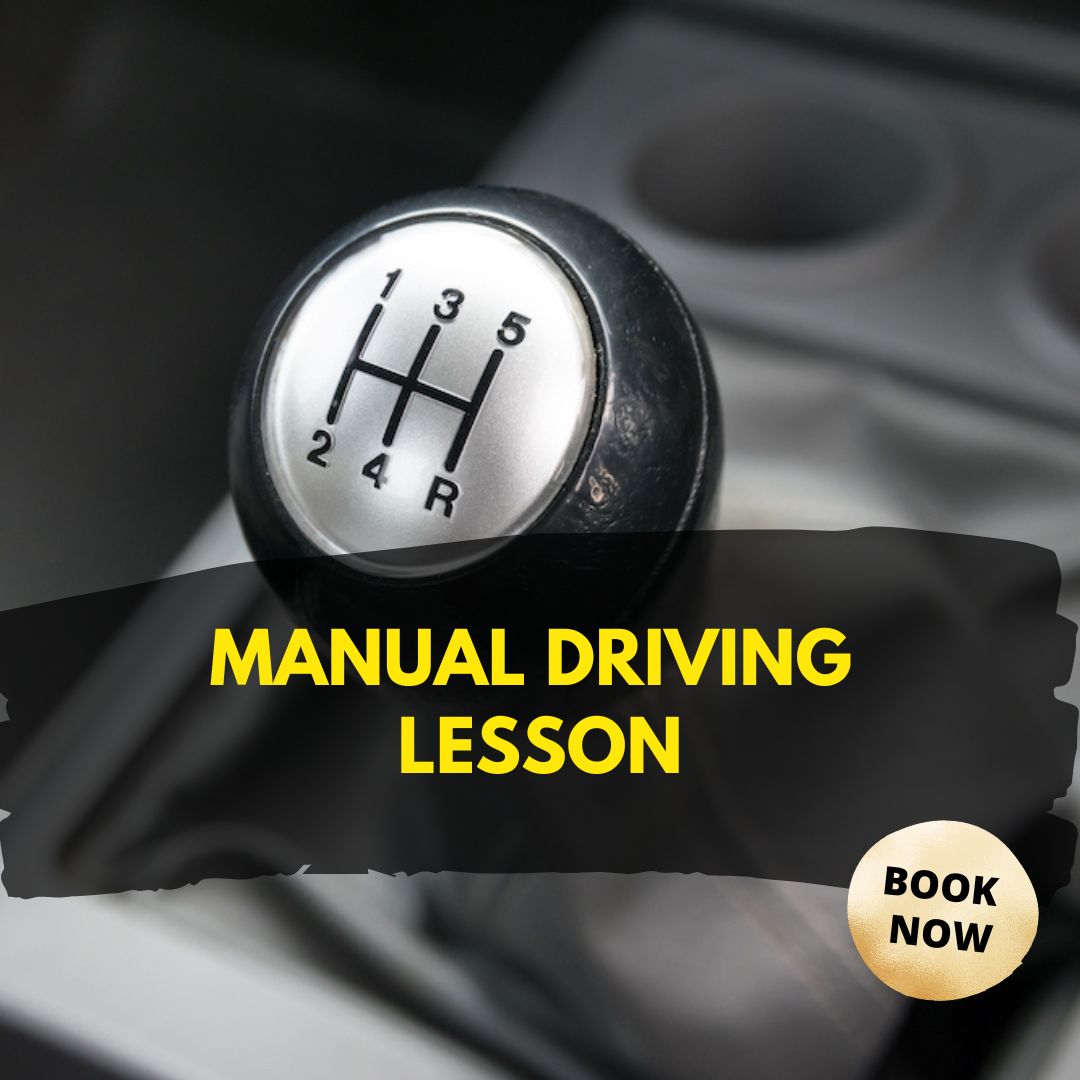
A manual car has three pedals: clutch (left), brake (middle), and accelerator (right). The clutch pedal is what sets manual cars apart—it allows you to change gears by disconnecting the engine from the wheels. The gear stick is used to shift between gears, usually labeled as 1 to 5 (or 6) and R for reverse.
Starting the Car Safely
Before starting the engine, ensure the gear stick is in neutral. Press the clutch pedal fully down with your left foot and then turn the key or press the start button. Once the engine is on, keep the clutch pressed and move the gear stick to first gear when you’re ready to drive.
Moving Off Smoothly
With the car in first gear, slowly lift your foot off the clutch while gently pressing the accelerator with your right foot. This balance is known as finding the biting point—the moment when the car begins to move. As the car moves forward, fully release the clutch and continue to accelerate smoothly.
Shifting Gears Correctly
As your speed increases, you’ll need to shift to higher gears. Press the clutch fully, release the accelerator, shift to the next gear (e.g., from 1st to 2nd), then release the clutch while gently pressing the accelerator again. Downshifting (e.g., from 3rd to 2nd) is needed when slowing down, such as before a turn or hill.
Stopping and Using the Clutch
To stop, press the brake pedal with your right foot and press the clutch pedal down fully before the car stalls, especially when coming to a complete stop. Once the car is stopped, shift the gear stick back to neutral and release the clutch.
Practice and Tips for Beginners
Start on flat roads before moving to hills or busy traffic.
Practice clutch control to avoid stalling.
Listen to the engine sound—a higher pitch usually means it’s time to change gear.
Don’t ride the clutch (keeping your foot half-pressed) as it causes wear.
Stay calm and patient—manual driving takes time to master but gets easier with practice.
Learn to Drive with Expert Female Instructors
Embark on a Journey of Confidence and Independence with Our Expert Female Instructors. Drive Your Dreams, Enroll Today!